Construction has changed a lot over the years. Traditional building methods can be slow and expensive, but now there are modern alternatives that are gaining popularity. Industrial sites and homes are quickly adopting new approaches, like industrial steel frames and modular homes. These methods are not only efficient but also help save time and reduce waste. Understanding the benefits of these options can help you make the right choice for your building project.
Benefits of Industrial Steel Frames
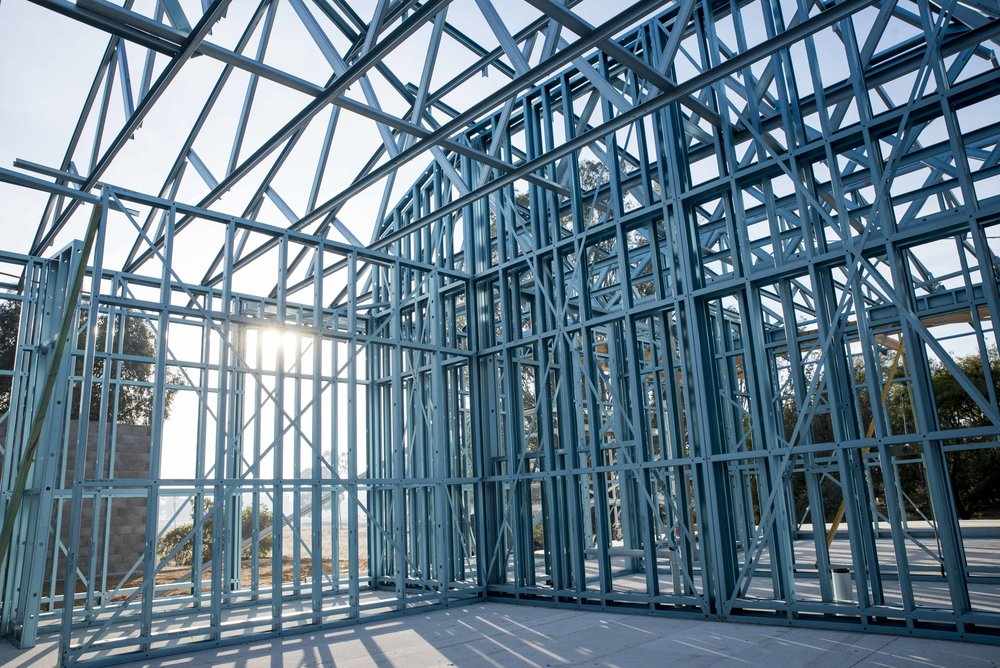
Industrial steel frames are strong and durable. They’re resistant to common issues like termites, fire, and water damage. Steel allows for large open spaces in buildings without needing extra support, and the design possibilities are limitless. Buildings made with steel can withstand harsh weather, and the construction process speeds up significantly since parts can be made off-site. This means projects can finish sooner, saving on labour costs. The combination of efficiency and strength makes steel frames a popular choice for modern buildings.

How Modular Homes are Changing Housing
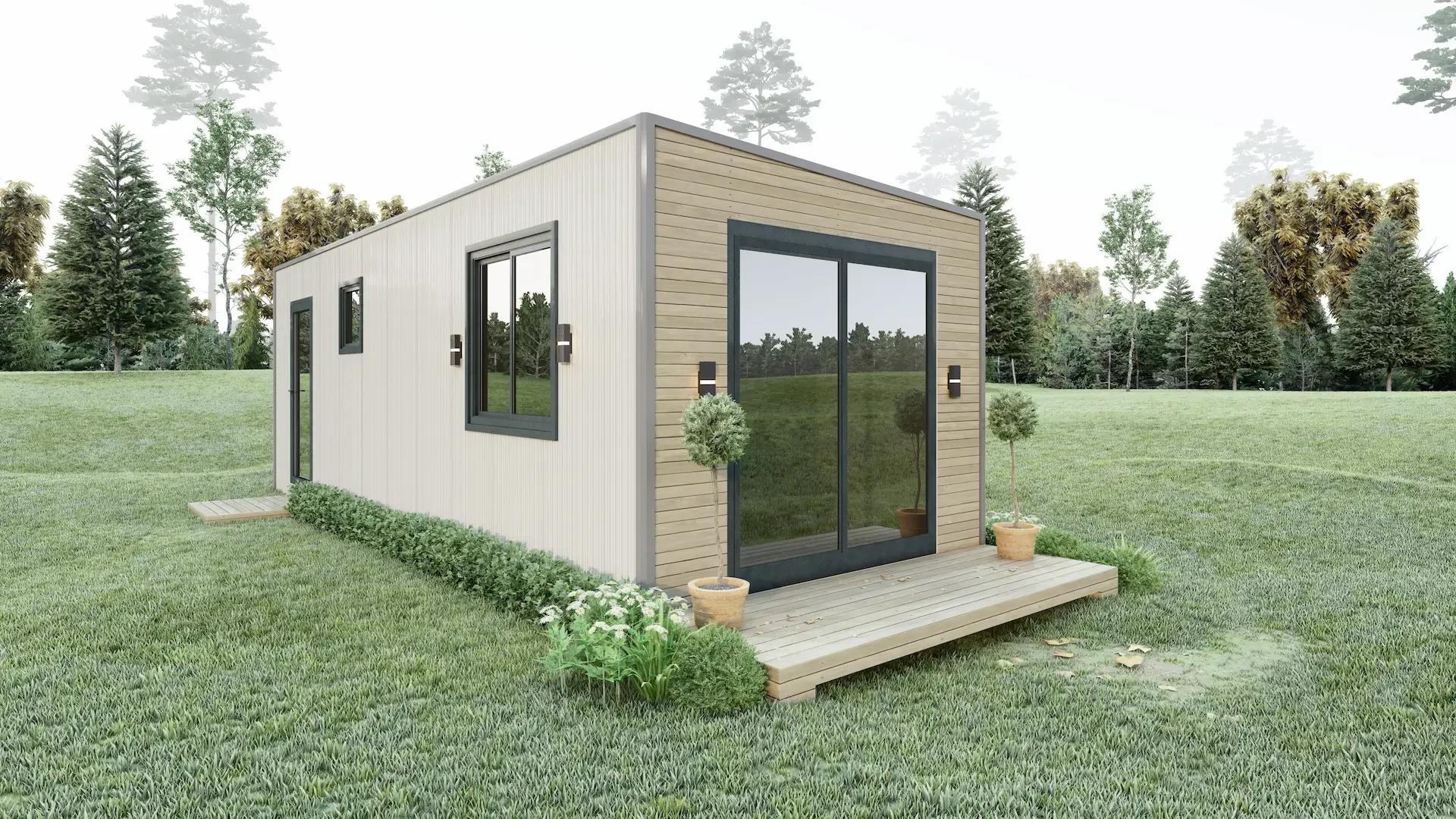
Modular homes are transforming how people think about living spaces. Built in factories, these homes come ready to be installed, ensuring consistent quality compared to traditional construction. Homeowners can customise their homes without delays, and the construction process is much quicker, often reducing timelines by months. Plus, there’s less waste, noise, and disruption during installation, making them perfect for both urban and remote locations. Modular homes are appealing for families and developers alike, blending style with practicality.
Cost-Effective Steel Frames
Choosing steel frames can save money in the long run. While the initial costs might be higher, maintenance is low since steel doesn’t warp or crack. Proper insulation can also improve energy efficiency, leading to lower energy bills. Insurance costs may be less due to their fire resistance, and they last longer than traditional wooden structures. Because steel frames can be assembled quickly, project costs can decrease significantly, making them a smart investment for those watching their budgets.
Flexible Designs of Modular Homes
One of the biggest advantages of modular homes is their flexibility. You can tailor the designs to fit your personal style or any site limitations. It’s easy to create extensions or multi-level homes, and the interior can be personalised with different finishes and layouts. Landscaping can also be planned over time. Since these homes arrive ready to set up, clients experience less stress during construction. The result is stylish and functional living spaces that builders appreciate for both city and rural development.
Sustainability with Steel Frames
Steel frames contribute to sustainable building practices. They are recyclable, and using steel helps to minimise waste on-site. The manufacturing process is energy-efficient, and transportation emissions are lower, which is good for the environment. These frames can also support solar panels and effective insulation, making projects greener and helping to cut long-term costs. Many developers and homeowners see this sustainability as a major advantage, making it easier to meet environmental standards.
Why Modular Homes Meet Today’s Needs
In our fast-paced world, we need quick and adaptable housing options, and modular homes fulfill this need perfectly. Building them off-site reduces disruption in cities and speeds up the move-in process. Quality checks ensure that every module is consistent and reliable. They work well for families, retirees, or developers looking for rental properties, with arrangements for utilities planned. Fast and efficient, these homes represent the future of living, showing a clear trend towards prefabricated solutions.
Conclusion
Today’s construction industry demands efficiency and flexibility. Many businesses and homeowners are turning to industrial steel frames and modular homes as essential building solutions. Organisations like theconceptgroup.com.au offer expert help, showcasing innovative designs and sturdy structures. With their combination of cost-effectiveness, durability, and adaptability, these building methods reduce waste, save time, and enhance both living and working spaces. Investing in these solutions means securing long-term value and being prepared for future construction challenges.

Write a comment ...