
Modular homes represent an innovative approach to residential construction, wherein individual sections of a home are manufactured off-site and then assembled on location, reminiscent of large-scale modular playsets. This process is characterised by expedited timelines, adaptability, and remarkable stability. The construction methodology is efficient, yielding a notable increase in productivity for builders and enhanced convenience for homeowners. Modular homes contribute to reductions in material waste, cost efficiency, and enhanced resilience against environmental elements when compared with certain traditional building methods. The appeal of modular homes lies in their capacity for innovation, providing contemporary living solutions that maintain both comfort and aesthetic value.
Retail Steel Rims: Establishing Structural Integrity
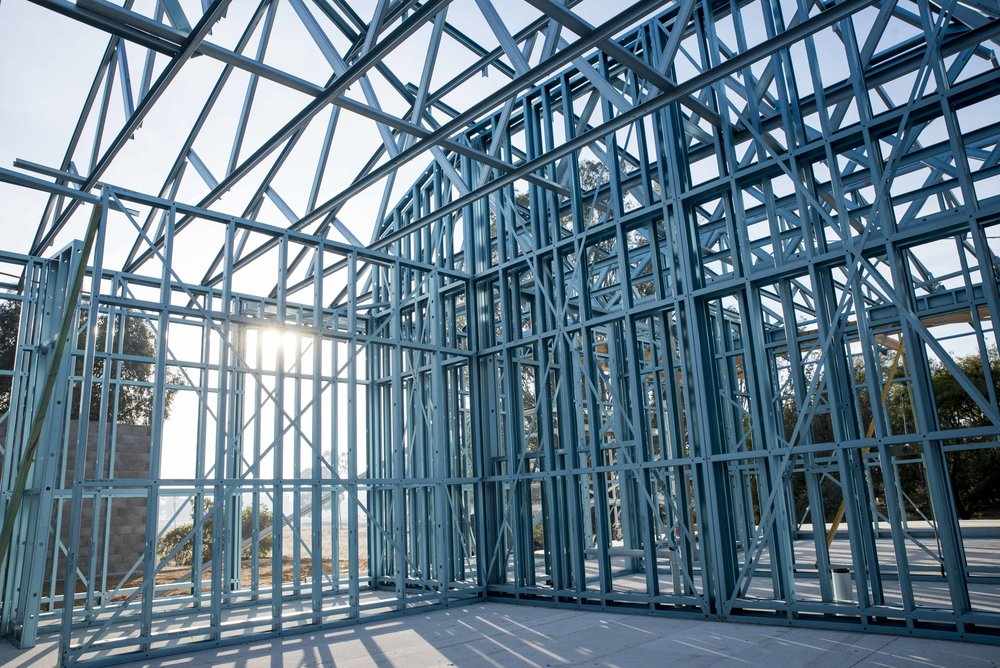
In the construction of skyscrapers, warehouses, and elevated structures, a robust framework is indispensable. Commercial steel frames serve as this critical backbone, designed to support significant loads and facilitate expansive open spaces along with high ceilings. These frames are engineered to withstand fire, pest infiltration, and corrosion, minimising associated risks. The structural integrity provided by steel frames expedites construction timelines while enhancing safety measures. This process involves careful planning by engineers and skilled labour from welders, culminating in the rapid erection of buildings. The resilience and flexibility of commercial steel frames enable architects to realise ambitious designs, resulting in durable structures that contribute to evolving city skylines.
Modular Homes: Facilitating Swift Flexibility
The traditional construction timeline is often protracted; however, modular homes present a solution by significantly accelerating the building process. Sections arrive pre-manufactured, allowing for seamless assembly. Interior components, including walls, plumbing, and electrical systems, are installed in advance, thereby saving time and reducing potential errors. Modular homes empower designers to explore various configurations, such as open floor plans and multi-level arrangements, all while ensuring operational efficiency. The energy efficiency of these homes is enhanced, and construction-related noise is significantly minimised. This model of modern living emphasises simplicity, efficiency, and an unexpected stylishness, offering adaptability in materials ranging from steel to wood.
Industrial Demands Favour Steel Frames
The requirements of factories, shopping centres, and office buildings necessitate a focus on structural resilience. Commercial steel frames meet these demands by supporting substantial loads, accommodating broad spans, and adhering to strict timelines. The prefabrication process reduces errors on-site, while fireproof coatings augment safety measures. Steel’s inherent properties facilitate flexible interior layouts and ease of future modifications. The performance of industrial spaces is optimised when structural integrity is guaranteed, with steel providing the necessary support without compromise. Builders have come to rely on commercial steel frames for their efficiency, durability, and resilience within the construction sector.
Comparative Benefits of Modular and Steel Solutions
While modular homes excel in terms of speed and customisation options, commercial steel frames distinguish themselves through their strength and longevity. Both construction methods are effective in diminishing on-site labour demands while enhancing overall quality. Modular homes are exemplars of modern living, while steel frames are fundamental to commercial and industrial applications. Both methods offer cost advantages compared to traditional construction techniques. The synergy between modular homes and steel frames is critical in fostering modern urban development, leading to reduced construction timelines, decreased waste, and improved safety measures. Designers appreciate the versatility that both solutions provide, builders benefit from streamlined processes, and owners enjoy the long-term reliability inherent in these approaches. Ultimately, the selection of a particular method is contingent upon the intended purpose rather than prevailing trends, with both avenues contributing significantly to the future of construction.
Challenges in Contemporary Construction Materials
While no construction solution is without drawbacks, modular homes may encounter challenges related to transportation and occasional design constraints. Concurrently, commercial steel frames necessitate specialised expertise for installation, maintenance, and coating, with costs subject to fluctuation. Planning oversights can also result in project delays. Nevertheless, both methodologies offer advantages that surpass many traditional construction approaches. The principles of efficiency, durability, and speed ultimately outweigh minor challenges. Stakeholders—builders and homeowners alike—adapt to these realities, as steel frames uphold structural integrity while modular components facilitate efficient assembly. Despite occasional disruptions, the outcomes of these modern construction methods are consistently impressive.
Conclusion
For expert insights and premium construction solutions, please visit theconceptgroup.com.au. Modular homes and commercial steel frames emerge as contemporary responses to various construction challenges. Their combined attributes of speed, strength, flexibility, and expansive design possibilities exceed the limitations of traditional building practices. These materials are redefining urban development and residential construction, establishing a foundation for contemporary architecture. Future buildings will increasingly rely on the innovations offered by both modular and steel construction, creating smarter, safer, and more efficient structures.


Write a comment ...